



An ultra-distance ride can last twelve hours or more, long enough that a pacing mistake in the first thirty minutes may not surface until the fourth or fifth hour. By that point, there is little room left to correct it. Getting everything right takes a plan built before the ride starts, then a string of decisions to hold that plan for every hour after. A disciplined rider must read the terrain honestly, fuel on schedule instead of when it is convenient, and catch the warning signs in the data before they become a bigger problem.
Know Your Zones Ahead of Time
Pacing an ultra-distance ride means targeting a specific power zone and a specific heart rate zone for hours at a time. If your zones are inaccurate, the whole plan is aimed at the wrong number. You either undershoot an effort you could safely hold, or overshoot into a deficit.
Riders training for an ultra-distance event should do a COROS Cycling FTP Test on a smart trainer well before race week. It is demanding enough that doing it too close to the start line can leave your legs compromised, so we suggest planning it around a month in advance. The result is an updated Functional Threshold Power (FTP) and seven refreshed power zones. Heart rate zones deserve the same attention, since they matter later in the race when power and heart rate begin to diverge. The COROS Heart Rate Zones guide explains how they are set.
Start Conservatively and Read the Terrain
Power is the intensity metric that should drive the pace, since it doesn’t drift the way heart rate does and isn’t distorted by adrenaline the way perceived effort can be early in a ride. For most riders, an ultra-distance pace sits in the Aerobic Endurance zone (Zone 2) for the bulk of the ride, with brief moves into Aerobic Power (Zone 3) on climbs or into a headwind. The most common pacing error is banking time early: starting at or above threshold buys a fast first hour and costs you a slow finish.

A strong pacing plan is also built around terrain and weather. The course profile shows exactly where the climbs are, so those sections can be given a power target well in advance. A forecast gives a good idea of the heat or wind to expect, though race-day conditions are never guaranteed, so the plan should leave room to adjust. Every rider has a limited number of matches to burn over the course of a race, and using them on climbs identified ahead of time works better than lighting them at random. How many matches you actually have is personal, and is best found in training or from previous race experience.
Fuelling and Hydration
An ultra-distance race demands more energy than the body carries into it. Glycogen, the fuel behind moderate to hard efforts, only covers so much ground before it runs low, and fat stores, while much larger, can’t be burned fast enough to support the same output. Closing that gap starts with knowing roughly how much energy a given pace burns and matching it with carbohydrate taken in during the ride. Some drop in glycogen over the day is fine, especially when the stomach can’t keep up with the full burn, but the plan should still leave plenty in reserve at the finish rather than running the tank down to empty.
A smart fuelling plan starts with two numbers worked out ahead of time: how often to refuel, and how much carbohydrate and water each refuel should include.
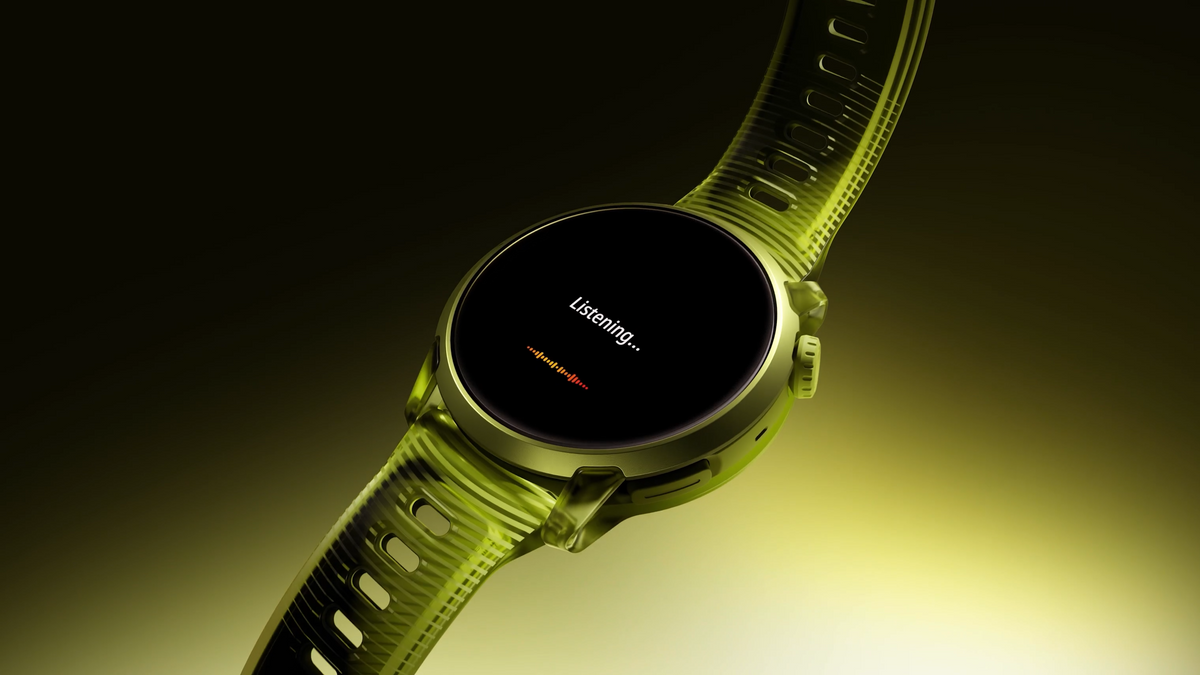
COROS Tip: Use the Nutrition Alert feature to enforce your fuelling interval. It prompts you at the set frequency throughout the ride, so eating and drinking don’t get put off until it is too late. The specifics vary from rider to rider, but the discipline behind them is the same.
Watch for Early Warning Signs
Your choice of cadence changes which system carries the load over many hours. A lower cadence at higher torque leans on muscular endurance, while a higher cadence at lower torque shifts more of the burden onto the cardiovascular system. Most riders land somewhere in the 80–95 rpm range for long, steady efforts, dropping cadence intentionally on climbs. A cadence that drifts down on its own, at an effort where it normally wouldn’t, is worth noticing: it often means the legs are fatiguing and asking the heart to make up the difference.
Heart rate drift shows up on the other side. As a ride goes on, especially in the heat or with increasing dehydration, blood plasma volume drops and the heart has to beat faster to move the same amount of blood, a pattern known as cardiovascular drift. The result is a heart rate that climbs even though power output hasn’t changed, and it usually points to dehydration, heat or a fuelling deficit rather than a fitness problem. Catching it in hour three, instead of bonking in hour six, is exactly what pairing power with heart rate is for.

Getting an ultra-distance ride right comes down to unglamorous discipline: zones set weeks in advance, power held honestly through changing terrain, fuel taken on schedule and drift caught before it turns into a bonk. Do all of it well, and the effort feels about the same in the last hour as it did in the first.
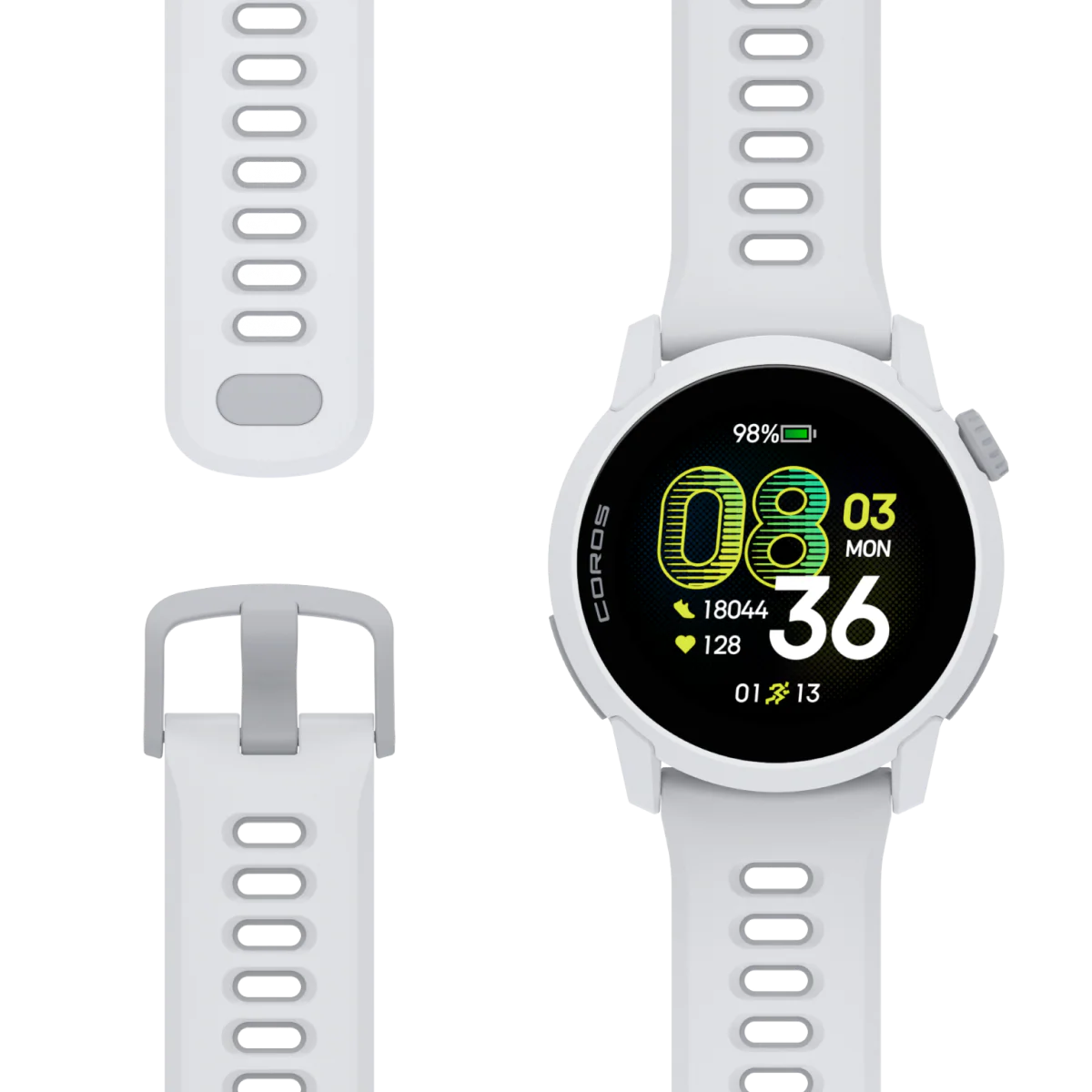
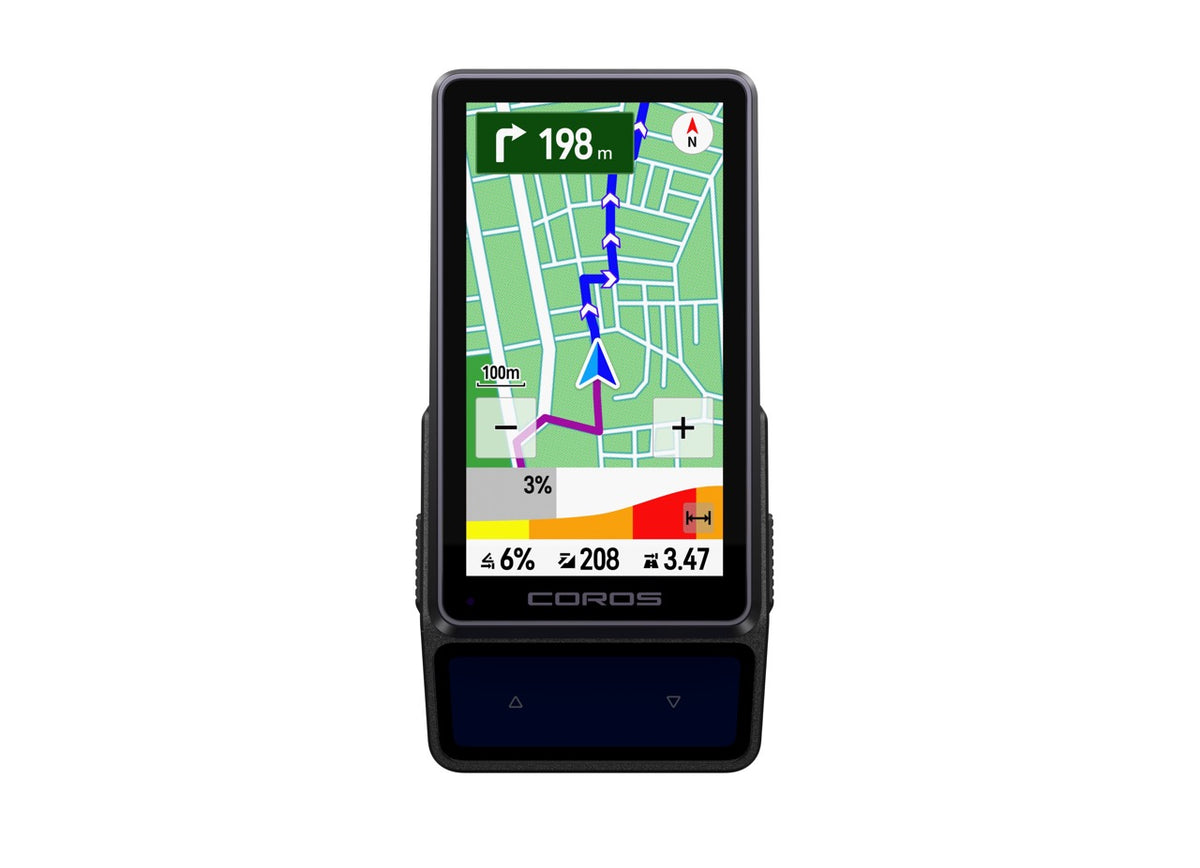
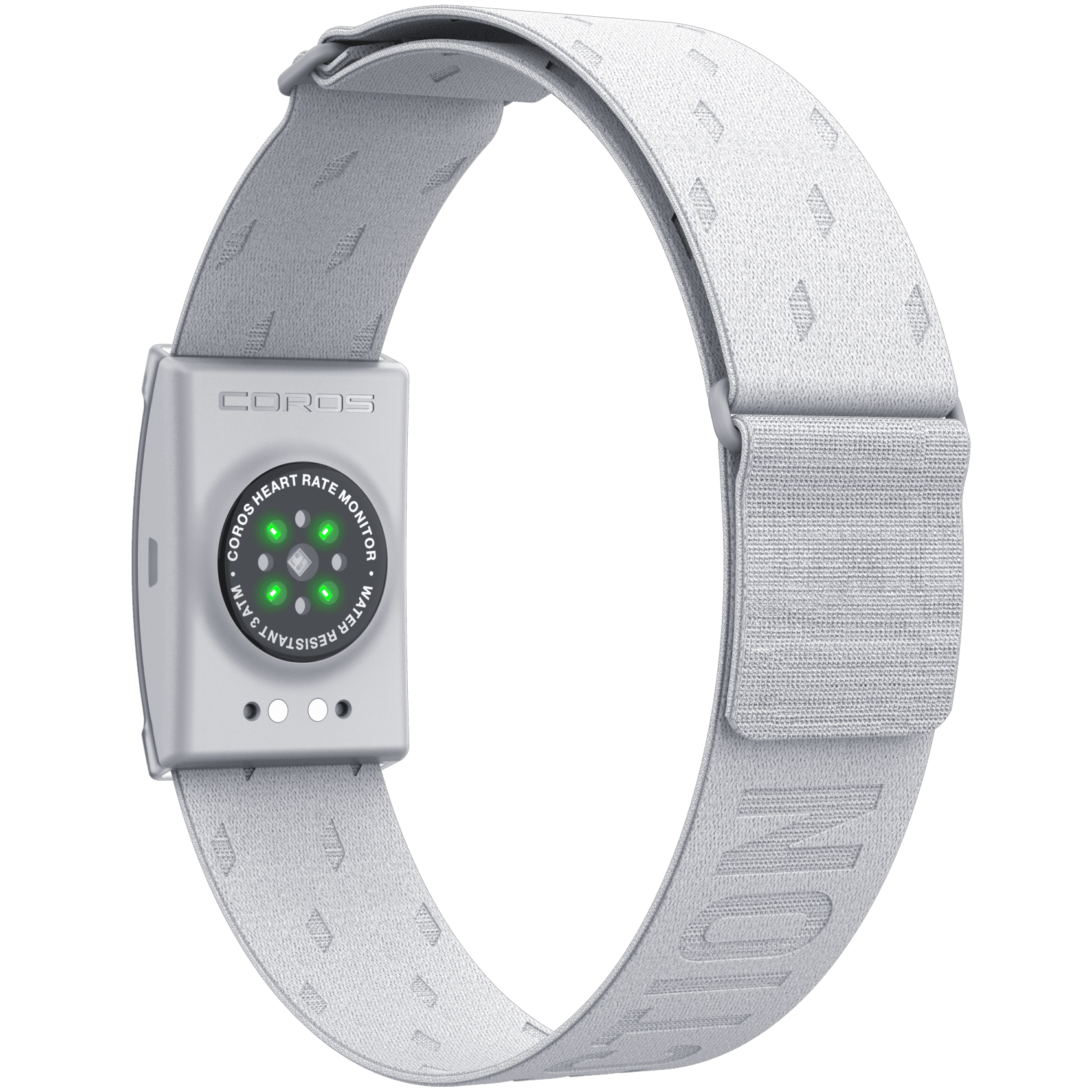
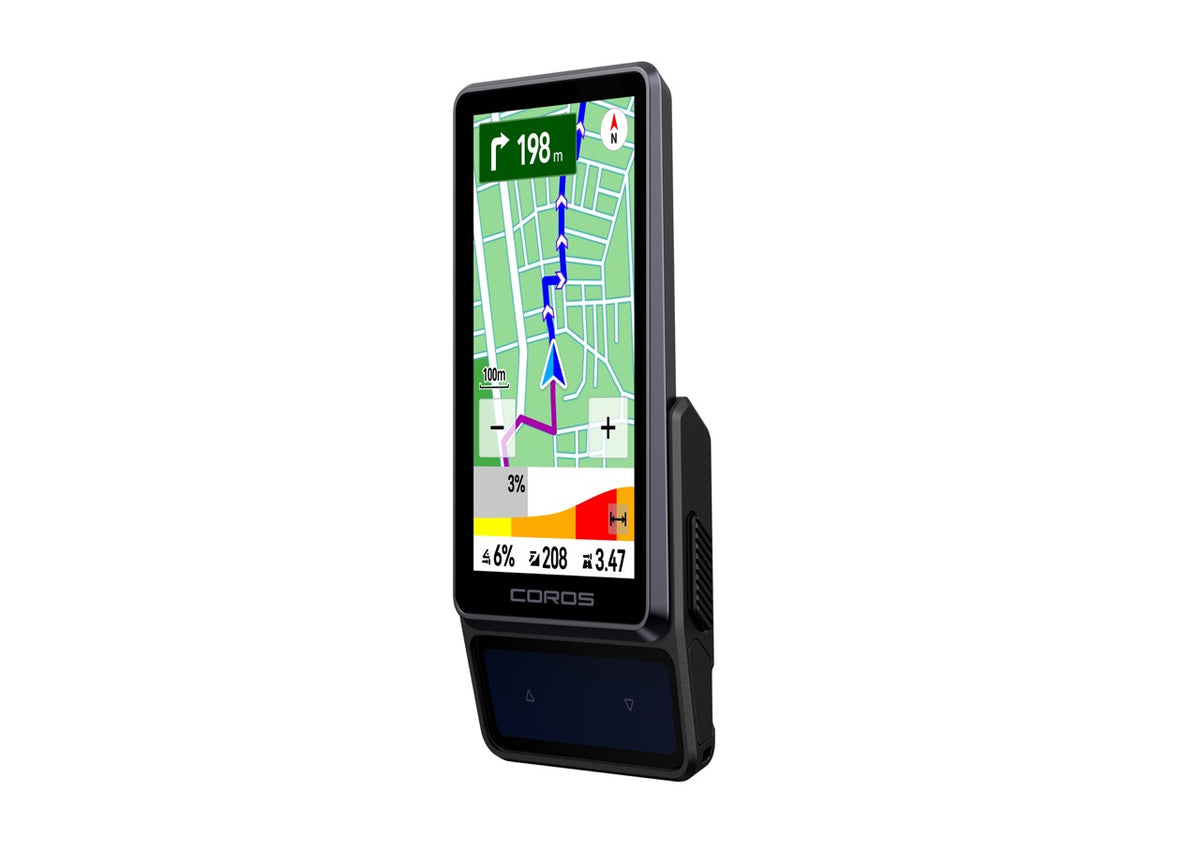
Track power, heart rate and cadence on every ride with a COROS DURA, the COROS Heart Rate Monitor and the COROS Bike Cadence Sensor.