



A climb leaves very little room to course-correct. Once your legs are cooked on a steep pitch, there is no going back and no flat section to recover on. That makes real-time feedback matter more on a climb than almost anywhere else in cycling. Here, data matters more than feel.
Why Power Beats Heart Rate on a Climb
Heart rate lags behind effort by 20 to 30 seconds. On flat terrain, that delay rarely matters, since effort tends to change gradually. On a climb, it can be the difference between adjusting in time and finding out too late. By the time heart rate finally reflects how hard the opening pitch was ridden, the legs have already absorbed the cost.
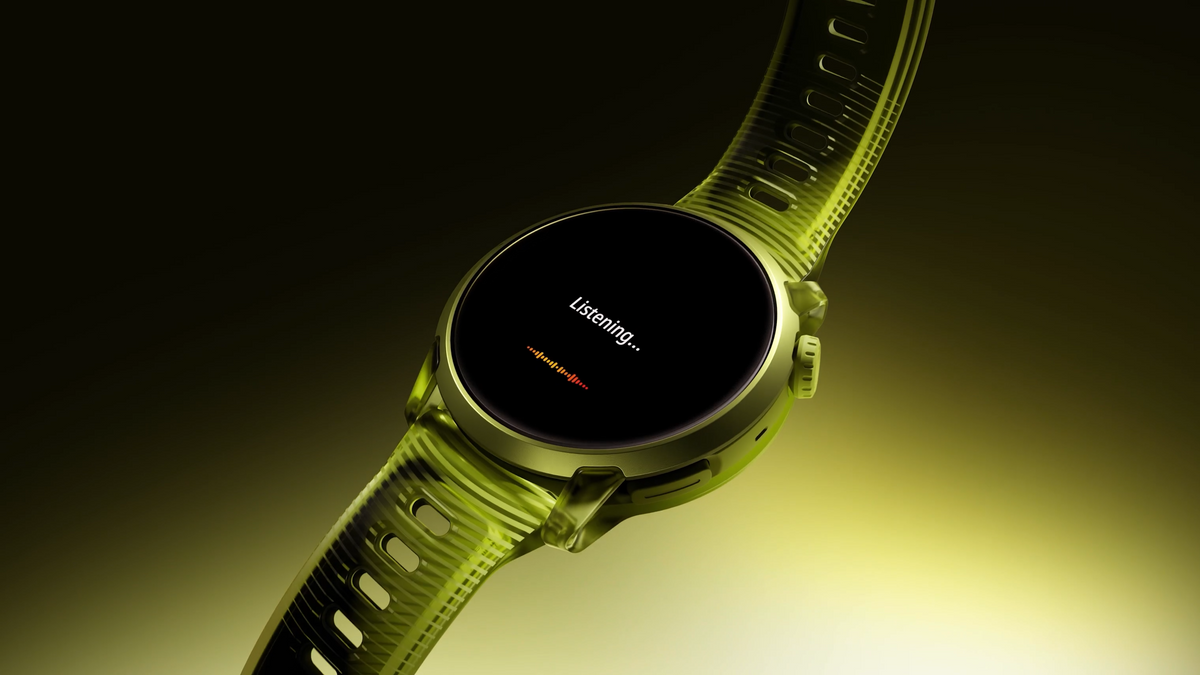
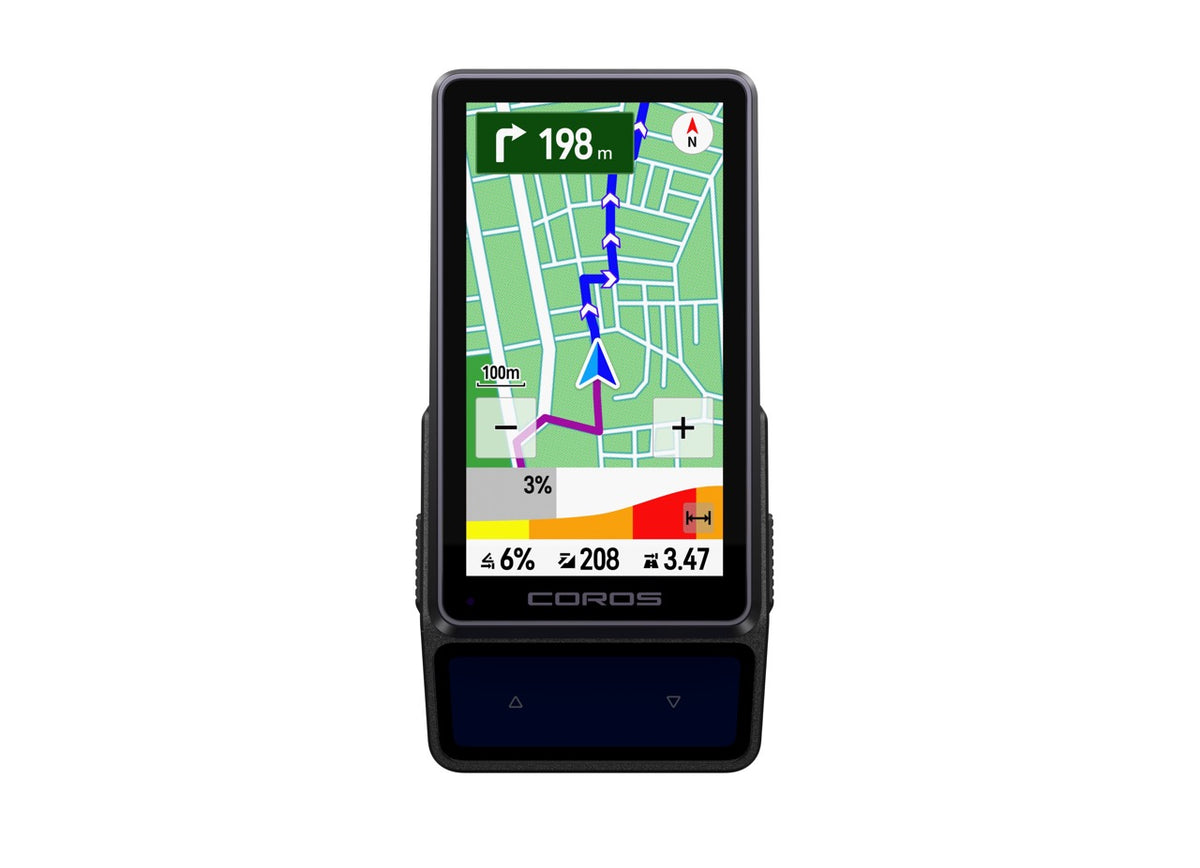
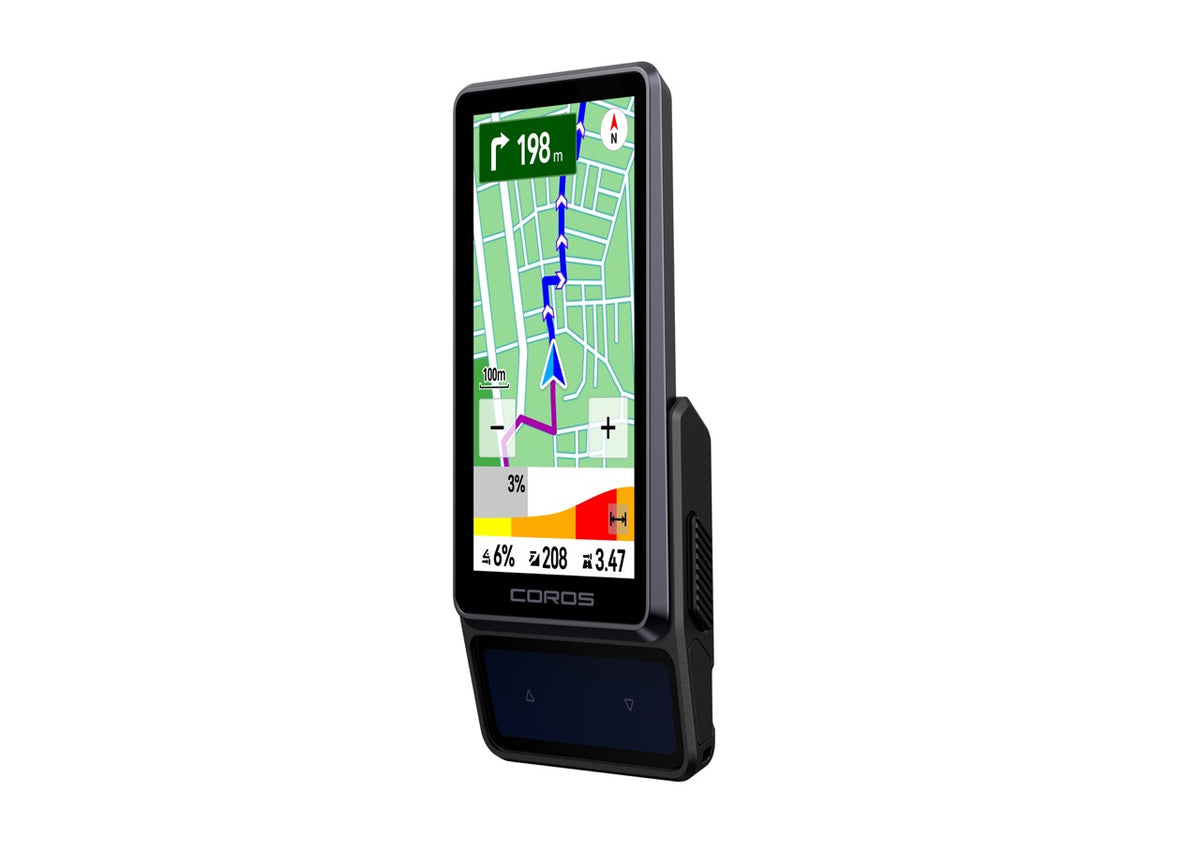
Power doesn’t lag. A spike in wattage shows up the instant it happens, not 20 to 30 seconds later, which gives you the chance to ease off before the effort turns into a debt that has to be repaid later in the climb. Watching live power on a COROS DURA turns pacing from a feel-based guess into something you can correct in real time, before the damage is done rather than after.

Training to Sustain a Long Climb
Threshold power sets the ceiling for how hard a long climb can be ridden without blowing up. FTP, the highest average power a rider can hold for roughly 45 to 70 minutes, is often the single most direct lever for climbing long, sustained gradients well. Raising that ceiling means spending structured time in the Threshold zone, 91 to 105 percent of FTP, in intervals of 7 to 12 minutes, close to the length of many real-world climbs. It also means time in the Aerobic Power zone, the 76 to 90 percent sweet spot range that raises the ceiling without the accumulated fatigue of constant threshold work.
Both intensities are already built as structured sessions in the COROS training library, scaled by ability: Tempo Ride sweet spot workouts at intermediate and advanced levels, and FTP interval workouts built around the 7 to 12 minute Threshold window, also available at intermediate and advanced levels. Each one can be downloaded straight to your DURA for the ride.
Not every climb calls for the same sustained approach. A short, punchy rise of two or three minutes, the kind that shows up in a rolling gran fondo or a hard group ride, is closer to a VO₂ max effort than a Threshold one, and it needs its own preparation. Training the top end with VO₂ max intervals, progressing to intermediate and advanced versions, builds the capacity to hit a short pitch hard and recover quickly for the next one. For riders who need to attack mid-climb to cover a move or close a gap, Anaerobic Power intervals train exactly that 30 to 60 second surge on top of an already fatigued aerobic system, which is much closer to what actually happens near the front of a hilly race than any isolated sprint effort.
COROS Tip: For more on training the top end, read our VO₂ max guide for cycling.

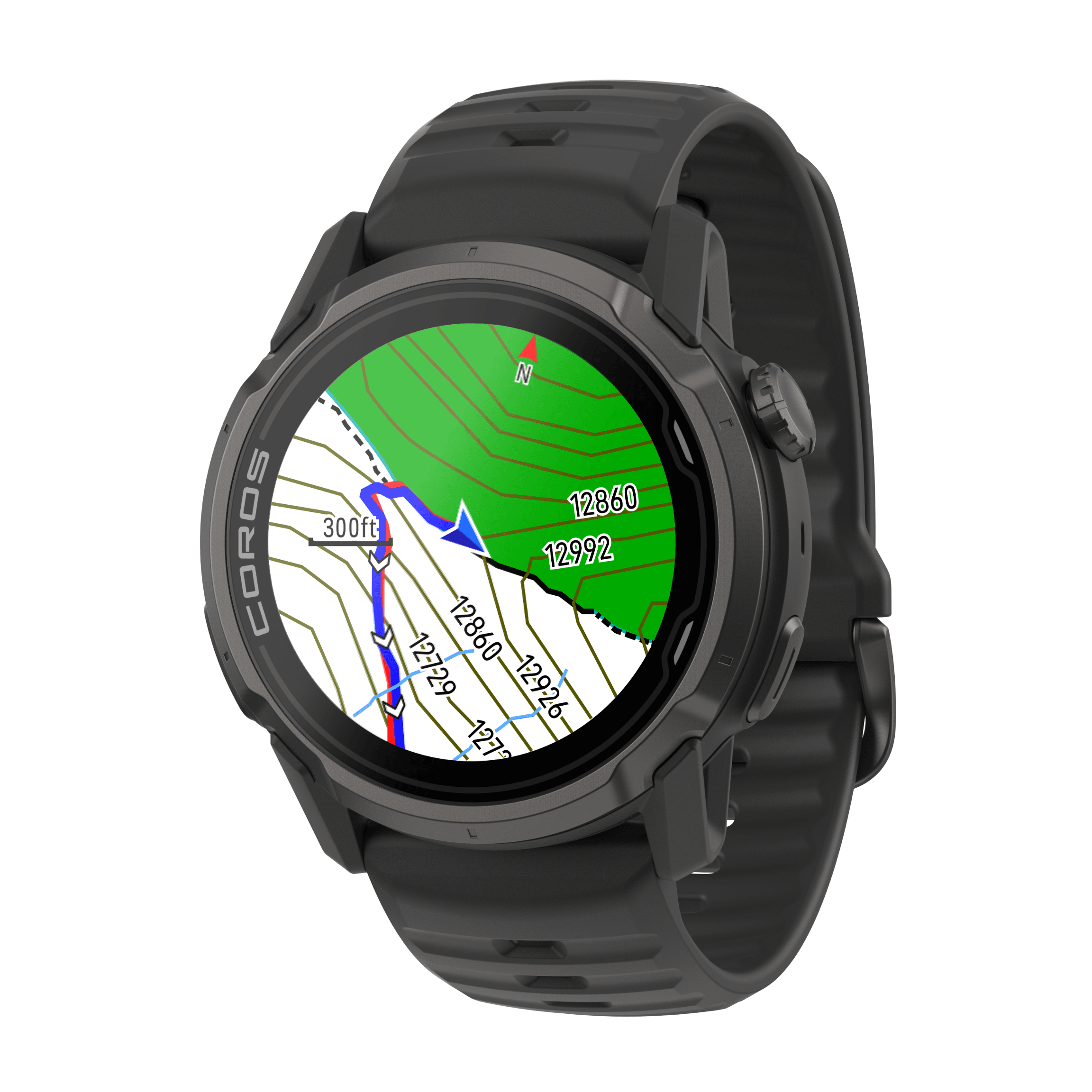
If you are targeting a specific climb, whether it is a local hill or a mountain pass on an upcoming cycling trip, the route planning tools for COROS DURA let you build the climb into a route ahead of time, and the device’s climb summary shows the gradient and distance remaining before you even reach the bottom. Knowing what is ahead makes it easier to pace smart. Without that information, it is easy to surge too early on a section that feels manageable, without realising there is more climbing still to come.
Pacing the Climb Itself
The first third of a sustained climb rewards a slightly conservative pace, almost uncomfortably so, saving the harder efforts for where the gradient actually demands them. A practical target is holding power in the Aerobic Power to low Threshold range, roughly 85 to 100 percent of FTP, for the first half of a long climb. From there, the pace can drift upwards, but only if your legs are giving a clear signal that they are ready for it: heart rate still rising steadily rather than spiking, and power holding steady through repeated accelerations rather than fading. When those signals are there, the second half is where the climb can be pushed closer to Threshold, or briefly above it on the steepest sections, since the reserve saved early is exactly what makes that push sustainable instead of a blow-up.
The gradient rarely stays constant for an entire climb, and a sudden steepening is where pacing by feel tends to break down fastest. Holding power steady through a steeper pitch means letting your speed drop, which can feel like losing ground even though the effort has not changed. Chasing the same speed instead, by pushing more power into the steeper section, is what causes the spike that has to be repaid later. Riding by the number rather than the sensation keeps your effort consistent, even when the gradient underneath it isn’t.

Cadence matters here too. Letting cadence drop too low on steep pitches recruits more muscular strength and burns through glycogen faster than shifting down to keep spinning. Watching cadence alongside power on your DURA screen adds a second data point to manage, since a climb ridden within the right power zone but at a grinding 55 rpm carries a different physiological cost than the same watts at 75 rpm. Pairing a COROS Bike Cadence Sensor gives you that number on every ride.
The Coaching Takeaway
Pacing a climb well shows up clearly after the fact, in the data as much as in how the effort felt at the time. Reviewing power data from a climb after the ride, comparing the first third with the last, makes an uneven effort obvious in a way that memory alone rarely does. Like any skill, it gets sharper with practice: the next climb is a chance to apply what the data showed, and over enough climbs, pacing turns from a guess made in the moment into a pattern you can actually refine.